 Let's talk
Two kinds of change are hitting your team at once.
New AI tools could change how the work gets done. Cuts, reorganizations, and uncertainty are changing how it feels to do it. I help leaders handle both, hands-on, with the people doing the work.
AI at Work
Redesign the work around what technology can now do.
For teams ready to move beyond experimenting with AI. We map the work people actually do, find where AI can genuinely help, and build practical new ways of working together.
Humans at Work
Redesign the conditions people need to work well through change.
For teams doing hard work through uncertainty and change. We help teams name what's draining them, work with emotion and energy instead of around it, and redesign how they work together.
Sometimes a session is all a team needs. Often it uncovers something worth redesigning, and I stay to build it with you. Not sure where to start? Let's talk.
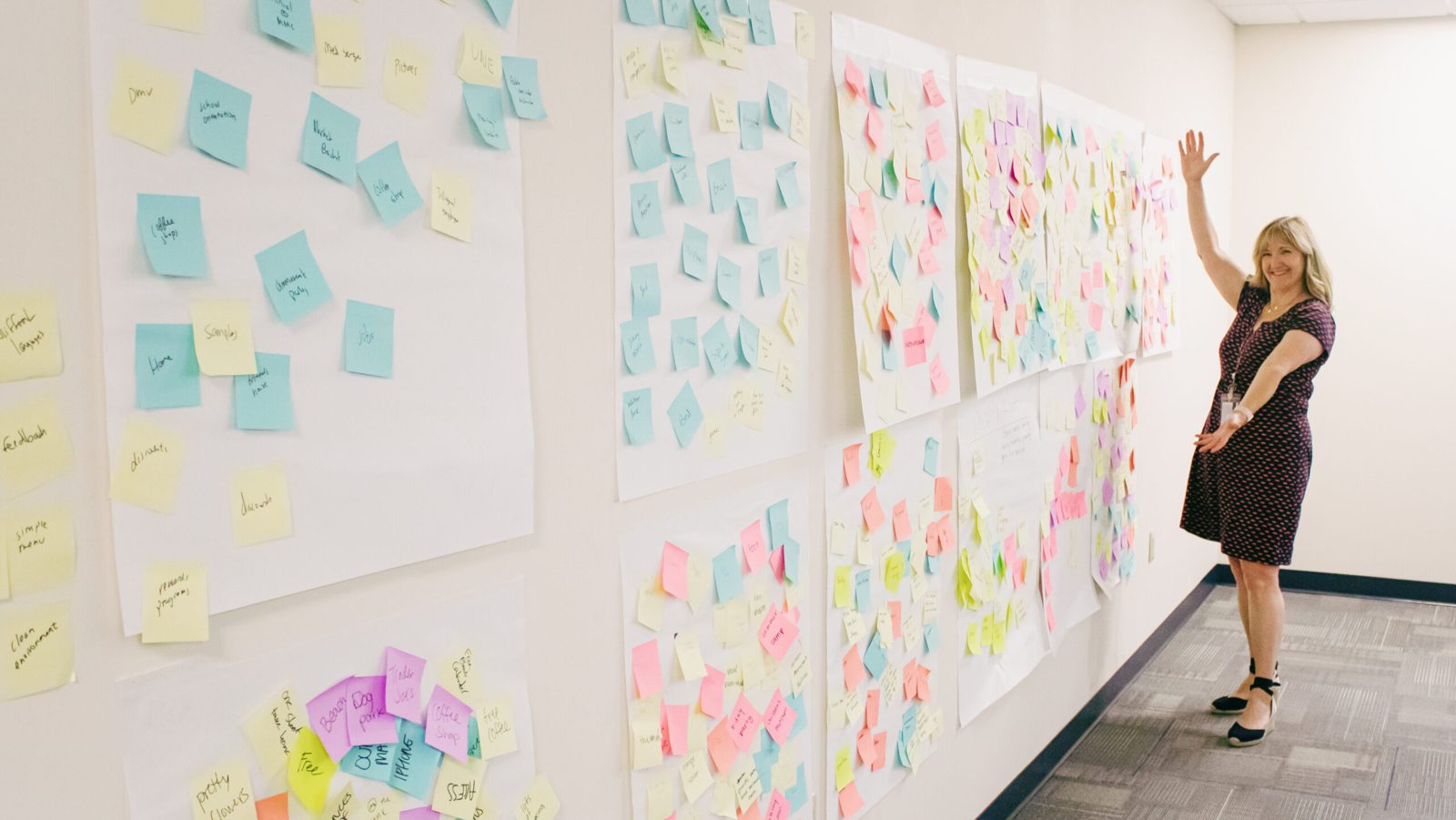
Nobody sits through these sessions.
Whether the change is a new tool or a new reality, people take part from the first minute. They map their own work, move, build, and decide, and the thinking ends up on the wall where everyone can see it.
Every session is designed for your team's real situation and ends with something people can use on Monday: a prototype, an agreement, an experiment, or a clear next step.
What people say
"I've been to a hundred of these workshops. This was one of the best."
"They challenged us to look closely at where we are and where we need to go… We now have a living, working strategic plan to guide us into the future."
EVP & Chief Risk Officer, Saco & Biddeford Savings Institution
"Justine helped our nurses see themselves as innovators… Our team left with not only a strong prototype but also the confidence and leadership mindset to continue driving innovation."
Director of Nurse Education, MaineHealth
About Justine
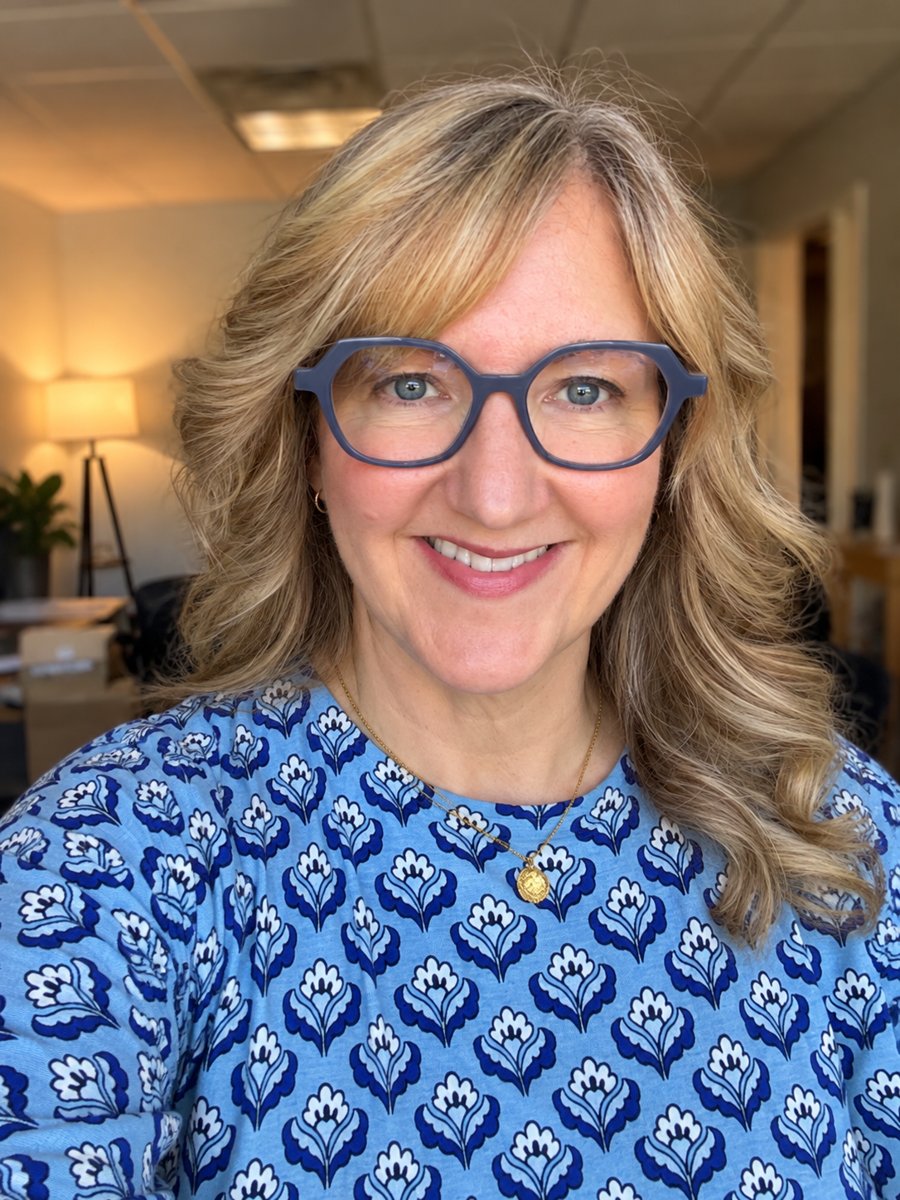
I'm Justine Bassett, an experience designer and strategist based in Maine. For 30 years, I've designed experiences that help people take part in something new.
I've led technology teams, redesigned how the Smithsonian's National Museum of Natural History develops visitor experiences, and founded the University of New England's Office of Innovation. Different rooms, same job: take something new and intimidating, make it make sense, and help people feel capable shaping it.
What's changing for your team?
Tell me a little about your organization and what's going on. A 20-minute conversation is usually enough to know where to start.
justine@wedesignfutures.com